Decoding Electrical Jargon: A Homeowner’s Guide to Common Electrical Terms Dec 20, 2025
To begin, let's clarify what an ampere, or simply "amp," is. The amp is the standard unit of electric current. Think of it as the amount of electricity flowing through your wires, similar to water flowing through a pipe. When discussing the capacity of your home's electrical system, amps play a crucial role in ensuring your circuits can handle the load of your everyday appliances.
Voltage is another fundamental term, often seen on appliance tags or the labels of electrical panels. Voltage measures the force pushing the electrical current through your home's wiring. Much like water pressure in a hose, higher voltage typically means more energy is available to power up those appliances. The standard voltage for most household circuits in the United States is 120 volts, though some larger appliances like ovens and dryers require 240 volts.
Next, we encounter watts, a unit of power that combines volts and amps. Wattage indicates how much power an appliance consumes. If you've ever glanced at a light bulb package, you've likely noticed wattage listed prominently, which helps decide on the brightness and energy consumption of the bulb. Understanding wattage is crucial for energy efficiency and avoiding overloading circuits.
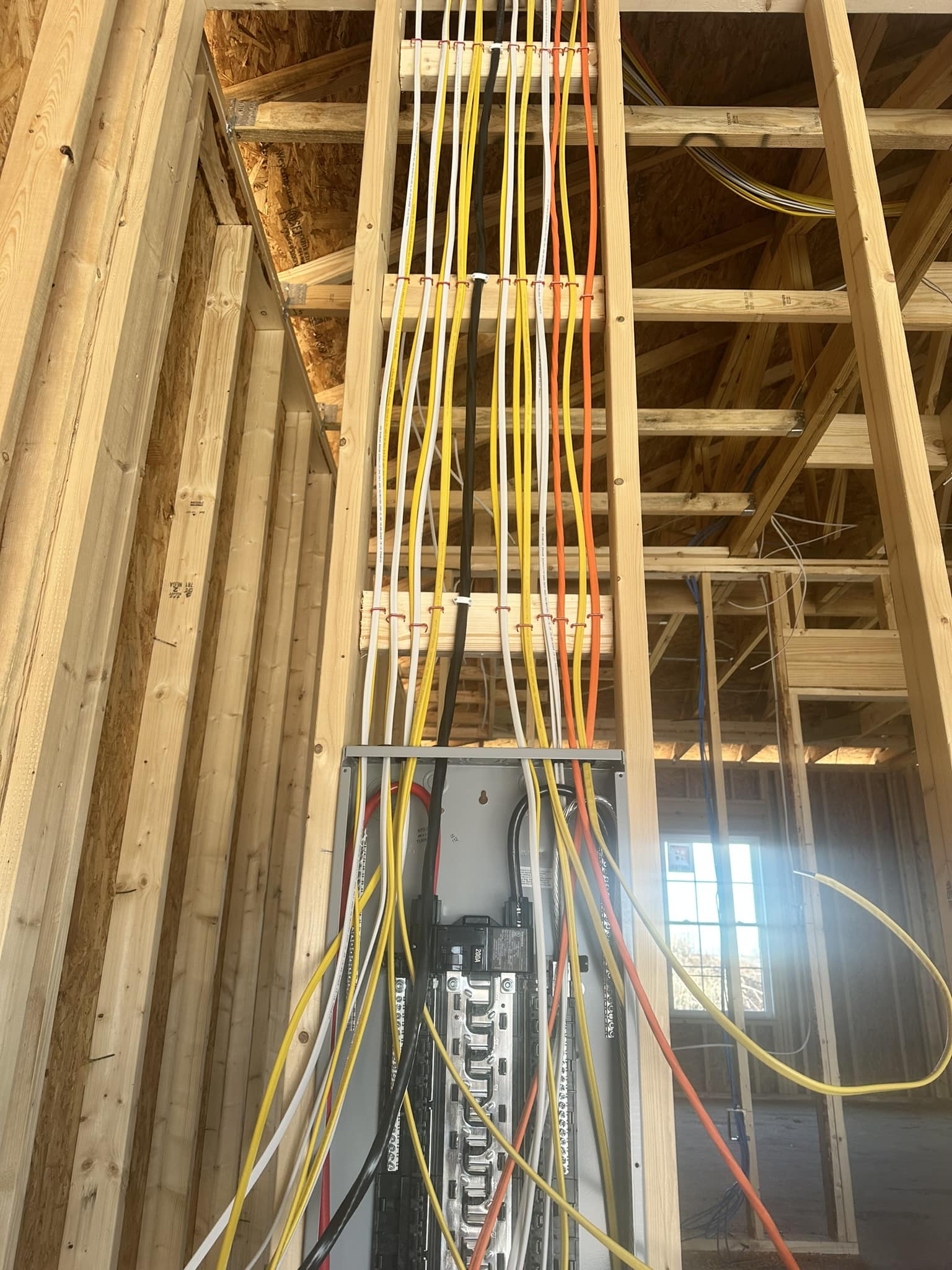
Now, let's demystify the term "circuit breaker," a key component in your home's electrical panel. A circuit breaker is a safety device designed to stop the flow of electricity in case of an overload or short circuit. This protective function prevents potential electrical fires and damage to your home's wiring. Knowing where your circuit breaker box is located and how to reset tripped breakers can save you time and protect your appliances.
The term "grounding" refers to a critical safety measure in your electrical system. Grounding provides a safe path for electricity to follow if a fault occurs, directing any excess electric charge away from your home and into the earth. This reduces the risk of electrical shocks and ensures electrical stability in your appliances.
Additionally, you'll often hear the term "GFCI," short for Ground Fault Circuit Interrupter. GFCIs are designed to prevent electrical shock by immediately shutting off power when detecting an imbalance in the electrical current. These outlets are typically installed in areas where water and electricity are in close proximity, such as kitchens, bathrooms, and outdoor spaces.
Lastly, understanding "wiring" is fundamental. Residential wiring connects your lights, outlets, switches, and other electrical devices to your main electrical system. Hiring a qualified electrician ensures that your home's wiring is correctly installed and up to code, providing safe and reliable electricity to your daily life.
By grasping these common electrical terms, you gain more confidence in maintaining your home's safety and efficiency. Whether you're renovating or simply performing routine maintenance, understanding these basics is indispensable. Victory Electric LLC encourages all homeowners to familiarize themselves with these terms, fostering a collaborative approach to home maintenance that enhances safety and communication. For any electrical concerns or questions, don't hesitate to contact Victory Electric LLC, your trusted partner in electrical services.
/filters:no_upscale()/filters:format(webp)/media/2b468cf0-9bf9-47ea-a4ca-7c0243ad8b37.jpeg)